What Causes Concrete Trip Hazards on Walkways and Parking Lots?
August 17, 2026
What Should HOA Road Maintenance Include Before Budget Season?
September 15, 2026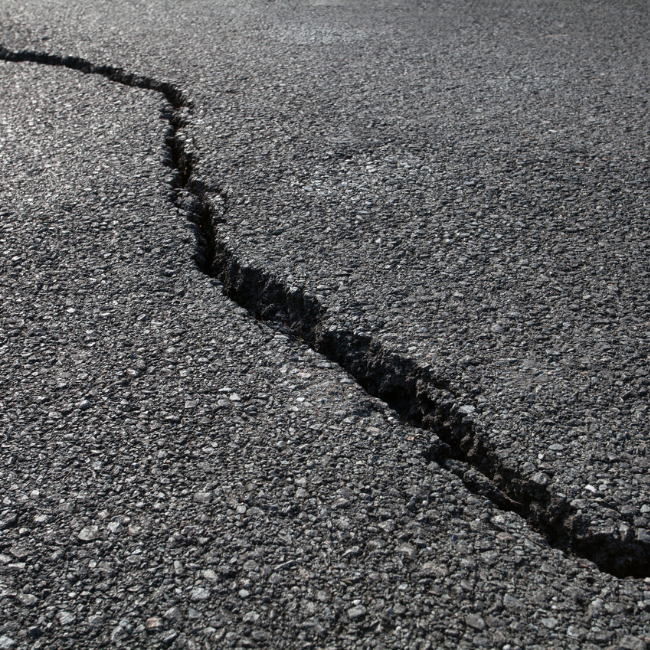
Wide cracks can make a parking lot or private road look like it is falling apart. They can also let water reach the base below the pavement, which can lead to bigger problems after heavy rain. That is why mastic asphalt repair can be a smart option for certain cracks and small damaged areas that need more support than standard crack sealing.
For property managers, HOA boards and commercial owners on the Grand Strand, wide cracks often show up after months of heat, traffic and stormwater runoff. Some cracks only need sealing, but others point to deeper wear. Knowing when mastic makes sense can help property owners choose the right repair before the damage spreads.
What Is Mastic Asphalt Repair?
Mastic asphalt repair uses a thicker asphalt-based material to fill wider cracks, ruts, depressions and small broken-up pavement areas. It works well when the damaged spot needs more body and structure than regular crack sealant can provide. In simple terms, mastic fills larger gaps and helps create a smoother, stronger repair area.
Standard crack sealing works best on smaller cracks. Mastic works better when the crack has opened wider or when the pavement has started to break down around the crack. It can help reduce water intrusion, smooth rough areas and improve the surface in spots that do not yet need full patching.
When Are Wide Cracks Too Big For Standard Crack Sealing?
Wide cracks often need more than standard sealing when the gap has grown large enough to hold water, loose asphalt or debris. If the crack edges have started to crumble, regular sealant might not have enough strength to support the damaged area. That can lead to another repair sooner than expected.
Property owners should also watch for cracks that branch out, sit in high-traffic areas or keep reopening after past repairs. Those signs can point to stress below the surface. Mastic can help in some of these areas, but a contractor should inspect the pavement first to confirm the right repair.
How Can Heavy Rain Reveal Deeper Pavement Wear?
Heavy rain can make pavement problems easier to see. Water collects in depressions, runs through wide cracks and washes loose material out of weak spots. After a storm, property managers might notice new rough areas, sinking pavement or cracks that look wider than they did before.
This matters for Myrtle Beach-area properties because rain and runoff can move fast across parking lots, private roads and shared access areas. If water keeps reaching the base below the pavement, surface damage can spread. Mastic can help seal and fill certain trouble spots, but the repair plan should also look at where the water is coming from.
When Is Mastic A Smart Repair Option?
Mastic can make sense for wide cracks, shallow ruts, small depressions and isolated failed areas where the pavement still has enough support underneath. It can also help smooth rough areas that create an uncomfortable ride or hold water near the surface. For HOAs and commercial properties, that can help improve both safety and appearance.
This repair can work well in parking lots, private roads, drive lanes and lower-speed traffic areas. It often fits best when the damage needs more than crack sealing but does not yet require full-depth patching. A good inspection can help decide where mastic belongs in the repair plan.
When Does Pavement Need A Larger Repair Instead?
Mastic is not the right fix for every damaged area. If the pavement has major base failure, deep potholes, severe sinking or constant drainage problems, a larger patch might make more sense. If water keeps washing out the support below the asphalt, the property might also need drainage correction before pavement repair.
The key is to fix the cause, not just the visible crack. A wide crack might look like the main problem, but it could connect to poor drainage, weak base material or heavy traffic stress. When that happens, the repair should address the deeper issue so the same damage does not return.
What Should Property Owners Do Before Choosing A Repair?
Before choosing mastic asphalt repair, property owners should schedule a pavement inspection. The contractor should look at crack width, pavement depth, drainage flow, base support, traffic patterns and nearby damage. That gives the owner a clear answer about whether mastic, crack sealing, patching or drainage work makes the most sense.
Wide cracks can get worse fast when water and traffic keep working against the pavement. If your parking lot, private road or shared access area in Myrtle Beach, Conway or along the Grand Strand has cracks that are too large for basic sealing, call Weaver Construction Services today. Our local team can inspect the damage, explain your repair options and help you choose the right fix before water and traffic make the problem more expensive.
FAQs
1. What is mastic asphalt repair used for?
Mastic asphalt repair helps fill wide cracks, small failed pavement areas, shallow ruts and depressions. It gives damaged spots more support than standard crack sealing and can help reduce water intrusion in the pavement.
2. Is mastic better than crack sealing?
Mastic is better for wider cracks and damaged areas that need more material strength. Crack sealing works well for smaller cracks, but mastic can handle larger gaps, rougher edges and small areas where the pavement has started to break down.
3. When should a property avoid mastic asphalt repair?
A property should avoid mastic asphalt repair when the pavement has deep base failure, major potholes, severe sinking or ongoing drainage problems. Those issues often need patching, base repair or drainage correction before the pavement can hold a lasting repair.