What Should a Parking Lot Maintenance Plan Include?
October 20, 2026
Potholes are more than an eyesore. They can damage vehicles, create safety concerns and signal bigger problems beneath the pavement. While a quick patch can fix some potholes, others need more extensive work to prevent the damage from returning. The right asphalt pothole repair depends on what caused the hole, how deep the damage runs and whether the pavement still has a solid base.
For commercial property owners, HOA boards and homeowners along the Grand Strand, heavy rain, summer heat and daily traffic can take a toll on asphalt. Understanding when a pothole needs more than a patch can help prevent repeat repairs and larger expenses.
When Is Asphalt Pothole Repair More Than a Simple Patch?
Asphalt pothole repair needs more than a simple patch when damage extends beneath the surface or the surrounding pavement has started to fail. A shallow pothole with solid support underneath might only need a surface repair. However, deep holes, spreading cracks and sinking pavement often signal a larger problem.
Repeated potholes in the same location are another warning sign. If a contractor fills a hole but it opens again, something underneath might still be weakening the asphalt. Without fixing that cause, another patch could fail.
How Does Water Damage Cause Potholes to Return?
Water is one of the biggest causes of recurring potholes. Rain enters cracks and small openings in the asphalt, then works its way into the layers below. Over time, that moisture can weaken the support under the pavement. As vehicles drive across the area, the surface begins to crack, break apart and form holes.
Myrtle Beach and other Grand Strand communities face frequent heavy rain, especially during storm season. Parking lots, private roads and driveways with poor drainage face greater risks when water collects in low spots. If the water problem continues, even a new asphalt patch can break down.
What Happens When the Asphalt Base Fails?
The base provides the support that helps asphalt handle vehicle weight. When that base shifts, settles or loses strength, the pavement above it can crack and sink. A pothole caused by base failure needs more than fresh asphalt on top because the weak material underneath cannot support the repair.
In these cases, contractors often need to remove damaged pavement, replace or stabilize the weakened base and install new asphalt. Although this requires more work than a surface patch, it addresses the cause of the failure and helps prevent the same problem from returning.
Can Heavy Traffic Make Pothole Repairs Fail Faster?
Heavy traffic puts repeated pressure on pavement, especially near entrances, intersections, loading areas and tight turning lanes. Delivery trucks, commercial vehicles and daily traffic can place extra stress on pavement that already has cracks or weak support.
For commercial properties and HOA communities, traffic patterns matter when planning repairs. A pothole near a loading dock might need a different repair approach than one in a residential driveway. Understanding how vehicles use the area helps contractors recommend repairs that match the pavement’s demands.
How Can Property Owners Tell When a Pothole Needs a Larger Repair?
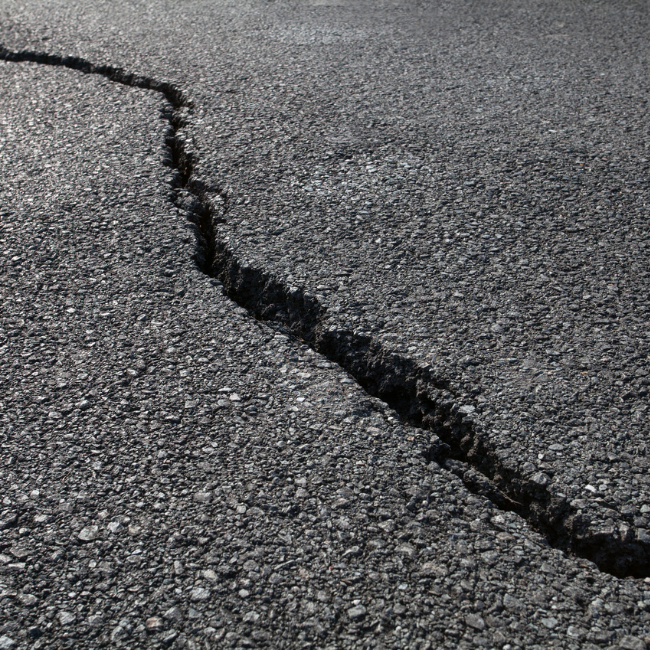
A pothole often needs a closer inspection when it keeps returning, grows wider, collects water or appears alongside sinking pavement. Cracks spreading outward from the hole can also point to weakness beyond the visible damage.
Property owners should pay attention to nearby surface conditions. If several potholes appear in the same area or the asphalt feels uneven, a larger section might need attention. A professional inspection can determine whether patching, full-depth repair or drainage correction offers the best solution.
Get the Right Asphalt Pothole Repair Before Damage Spreads
The goal of asphalt pothole repair is not just to fill a hole. It is to fix the damage and help prevent it from returning. Finding the cause early can protect vehicles, improve safety and help property owners avoid spending money on repeated repairs.
Weaver Construction Services helps commercial property owners, HOA communities and homeowners throughout Myrtle Beach, Conway and the Grand Strand address asphalt damage, base concerns and drainage problems. If potholes keep returning or your pavement shows signs of deeper failure, contact Weaver Construction Services today to schedule a professional inspection and discuss the right repair for your property.
FAQs
1. How do I know if a pothole needs more than a patch?
A pothole might need more than a patch if it keeps returning, has deep damage, collects water or sits near sinking pavement. These signs can point to weak base material or drainage problems that require more extensive repairs.
2. Why do potholes come back after asphalt repair?
Potholes often return when water, heavy traffic or weak base material continues to damage the pavement. A surface patch cannot correct problems underneath the asphalt, so the same area can fail again if the cause remains.
3. Is it better to patch or replace damaged asphalt?
Patching works well for isolated damage when the pavement has solid support underneath. If the asphalt has widespread cracking, major base failure or repeated potholes, replacing the damaged section might provide a more lasting solution.