When Is Mastic Asphalt Repair the Right Fix for Wide Cracks?
September 14, 2026
HOA boards have a lot to review before budget season, and roads should be near the top of the list. Private roads, shared parking areas, curbs and drainage systems all affect safety, appearance and long-term repair costs. When boards wait until problems become urgent, small issues can turn into bigger expenses that strain the budget.
A clear HOA road maintenance review helps the board see what needs attention now, what can wait and what should go into next year’s plan. For Grand Strand communities, this matters even more after months of heat, rain, storm runoff and steady traffic from residents, guests and service vehicles.
What Should HOA Road Maintenance Include First?
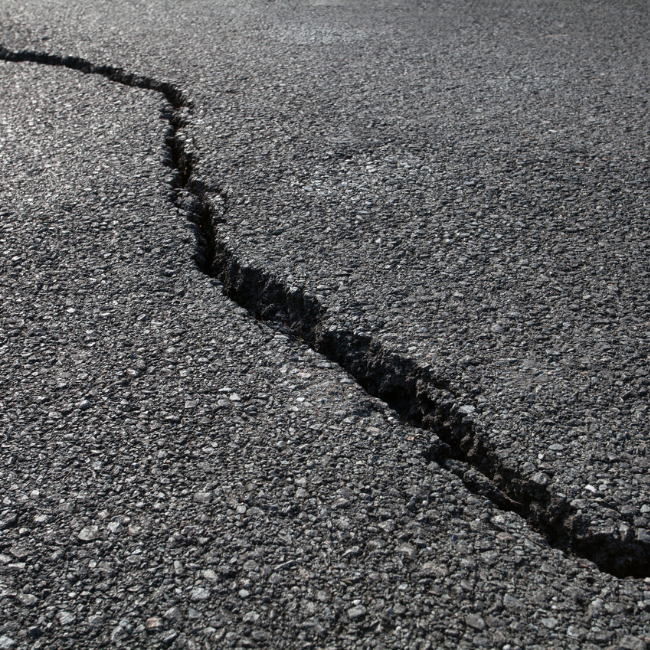
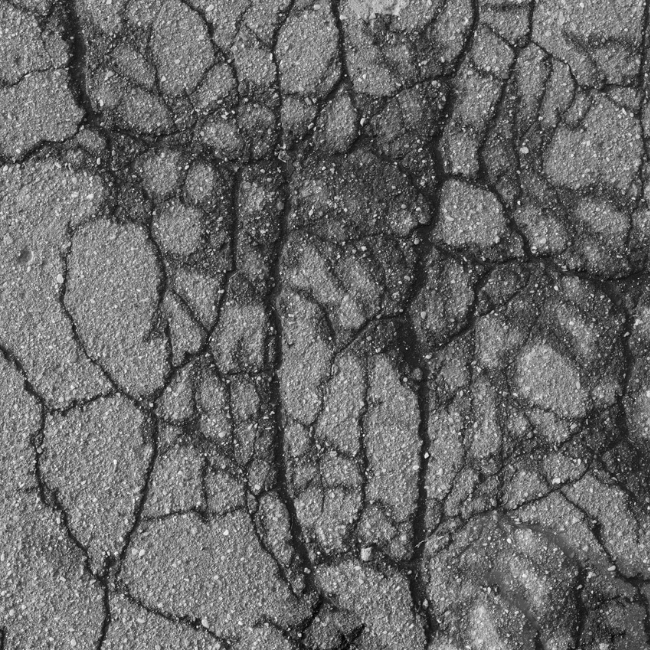
HOA road maintenance should start with a full pavement inspection. The board should look for cracks, potholes, soft spots, sinking areas, rough patches and broken pavement edges. These problems can show where water, traffic or weak base material has started to damage the road.
The inspection should also include shared parking areas, mailbox pull-offs, amenity lots, pool parking and clubhouse access points. These areas often get heavy use, especially during warmer months. If the board reviews them before budget season, it can rank repairs by urgency instead of guessing later.
How Should Boards Review Drainage Problems?
Drainage should play a major role in every road maintenance plan. Standing water, washed-out edges, blocked drains and water running across the road can all damage pavement over time. If water keeps reaching the base under the asphalt, surface repairs might not last.
After heavy rain, board members or property managers should look for puddles that linger, muddy runoff paths and spots where pavement seems to sink or crack near water flow. In coastal South Carolina, stormwater can reveal problems fast. Fixing drainage issues before repairing pavement can help the HOA avoid paying for the same road problem twice.
Why Do Curbs And Edges Need Attention?
Curbs and pavement edges help control water, guide traffic and protect the sides of the road. When curbs crack, shift or break apart, water can move where it should not go. When asphalt edges crumble, damage can spread inward and weaken larger sections of the road.
HOA boards should check curb lines, road shoulders, parking lot borders and areas near landscaping. These spots often show early signs of wear. Repairing curb and edge damage can protect the road structure and help the community look better cared for.
How Can Boards Prioritize Repairs Before Budget Season?
Boards should prioritize repairs based on safety, water control and the risk of spreading damage. Trip hazards, potholes, major drainage issues and failing entrances should come before cosmetic updates. Once urgent problems are clear, the board can plan smaller repairs, striping needs and longer-term paving work.
This approach helps board members explain the budget to homeowners. Instead of saying the road needs work, the board can point to specific issues, likely repair needs and the reason certain items come first. That makes planning more practical and easier to defend.
What Should An HOA Road Budget Planning Checklist Include?
A road budget checklist gives the board a clear way to move from inspection to planning. Start by listing every visible issue, including cracks, potholes, drainage trouble, broken curbs, weak edges and worn parking areas. Then group each item by urgency, with safety issues and water problems at the top.
Next, boards should separate repairs into three simple groups: repair now, plan for next year and monitor. Repair-now items include hazards, active drainage problems and damage that could spread fast. Next-year items might include resurfacing, restriping or planned curb work. Monitor items include small cracks, early wear and areas that need another look after the next heavy rain.
Boards should also set aside funds for unexpected road issues. Even a strong plan cannot predict every storm, washout or pavement failure. A small repair reserve can help the HOA respond faster without delaying important work or calling a special meeting for every issue.
When Should An HOA Schedule A Road Inspection?
An HOA should schedule a road inspection before the next budget gets finalized. That gives the board time to collect repair recommendations, review costs and plan work in phases if needed. Waiting until after the budget passes can leave the community short on funds when road issues get worse.
A professional inspection can also help the board understand whether it needs crack repair, pothole repair, drainage work, curb repair or larger asphalt repair. With the right information, HOA road maintenance becomes a plan instead of a last-minute problem.
Plan Smarter Before The Numbers Are Final
Roads, parking areas, curbs and drainage systems all affect how a community looks and functions every day. When boards inspect these areas before budget season, they can reduce surprise costs, protect property value and make better repair decisions.
If your community needs help reviewing private roads or shared pavement areas, call Weaver Construction Services today to schedule an inspection or consultation.
FAQs
1. What should HOA road maintenance include?
HOA road maintenance should include pavement inspections, crack checks, pothole review, drainage evaluation, curb inspection, edge repair review and shared parking area checks. The goal is to find safety issues, water problems and damage that could spread if the board waits too long.
2. Why should HOA boards inspect roads before budget season?
HOA boards should inspect roads before budget season so they can plan repair costs instead of reacting to emergencies later. An inspection helps the board understand what needs attention now, what can wait and what should go into the next budget.
3. How often should an HOA inspect private roads?
Most HOAs should inspect private roads at least once a year, with extra checks after heavy rain, storms or visible pavement damage. Regular inspections help boards catch problems early and avoid larger repair costs.