What Should HOA Road Maintenance Include Before Budget Season?
September 15, 2026
When Does Asphalt Pothole Repair Need More Than a Patch?
October 21, 2026
A parking lot maintenance plan should include regular pavement inspections, drainage checks, crack sealing, pothole repairs, striping, curb maintenance and long-term repair planning. Together, these steps help property owners catch problems early, improve safety and avoid larger repair bills.
For commercial property managers and HOA boards in Myrtle Beach and across the Grand Strand, parking lots face constant pressure from vehicles, heavy rain and changing temperatures. Without a clear maintenance plan, small pavement problems can turn into expensive repairs that disrupt daily operations.
How Often Should a Parking Lot Maintenance Plan Include Inspections?
A good parking lot maintenance plan should include at least one thorough inspection each year, along with additional checks after major storms or heavy traffic periods. Property managers should look for cracks, potholes, loose asphalt, sinking areas and uneven surfaces that could create safety concerns.
Inspections should also cover entrances, exits, loading areas and other high-traffic locations. These areas often show wear before quieter sections of the lot. Keeping a record of trouble spots helps managers track changes and decide when repairs need attention.
Why Should Drainage Checks Be a Top Priority?
Drainage checks help protect the pavement from water damage, one of the leading causes of asphalt failure. When rainwater collects in low spots or enters cracks, it can weaken the base below the surface. Over time, that damage can lead to potholes, sinking pavement and larger repair needs.
Grand Strand properties face frequent heavy rain and coastal storms, making drainage especially important. Property managers should inspect catch basins, curbs, gutters and runoff paths to make sure water moves away from paved areas. If puddles remain after rain, a drainage inspection can help identify the cause before damage spreads.
When Should Property Owners Schedule Crack and Pothole Repairs?
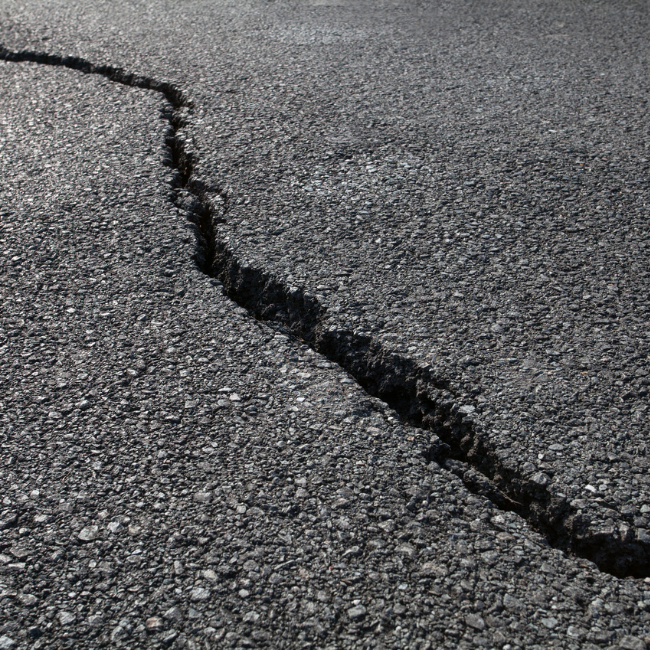
Property owners should address cracks and potholes when they first appear rather than waiting for them to grow. Crack sealing helps limit water intrusion when the pavement has a stable base. Pothole repairs help restore damaged surfaces and reduce risks for vehicles and pedestrians.
However, not every repair needs the same approach. Repeated cracking, deep potholes or sinking areas might point to problems beneath the asphalt. A professional inspection can determine whether the pavement needs simple repairs, full-depth patching or drainage correction.
How Do Striping and Curb Repairs Support Parking Lot Safety?
Clear striping helps drivers navigate parking lots, identify parking spaces and follow traffic patterns. Property managers should check directional arrows, crosswalks, accessible parking spaces and fire lane markings for fading or damage. Maintaining these markings also helps support access and safety requirements.
Curbs deserve attention because they help guide traffic, control runoff and protect pavement edges. Broken or shifting curbs can interfere with drainage and create uneven areas near walkways or parking spaces. Repairing them helps maintain both the appearance and function of the property.
How Can Property Managers Plan for Long-Term Pavement Repairs?
Long-term planning starts with knowing the condition of the entire parking lot. Managers should group maintenance needs into three categories: immediate repairs, planned maintenance and future improvements. Safety hazards and active drainage problems should take priority, while larger paving projects can become part of the property’s long-term budget.
A maintenance plan should also include a repair schedule and funds for unexpected damage. This approach helps property owners avoid repeated emergency work and gives HOA boards a clearer picture of future expenses. Planning ahead also makes it easier to schedule larger projects around business hours, residents and customer traffic.
Protect Your Property With a Parking Lot Maintenance Plan
A strong parking lot maintenance plan helps property owners stay ahead of pavement damage instead of responding after problems grow. Regular inspections, drainage care and timely repairs can extend pavement life, improve safety and support smarter budgeting.
Weaver Construction Services helps commercial property owners, HOA boards and property managers throughout Myrtle Beach, Conway and the Grand Strand maintain parking lots, private roads and shared paved areas. Contact Weaver Construction Services today to schedule a pavement inspection and build a maintenance plan that fits your property’s needs and budget.
FAQs
1. What is included in a parking lot maintenance plan?
A parking lot maintenance plan includes pavement inspections, drainage checks, crack sealing, pothole repair, striping, curb maintenance and long-term repair planning. It helps property owners identify damage early and schedule work before small problems become more expensive.
2. How often should a commercial parking lot be inspected?
Commercial property owners should schedule a thorough parking lot inspection at least once a year. Additional checks after heavy storms, flooding or noticeable pavement damage can help catch problems before they spread.
3. How can regular parking lot maintenance save money?
Regular maintenance helps reduce costs by addressing minor damage before it grows into larger repairs. Fixing cracks, improving drainage and repairing weak areas can help extend pavement life and reduce the need for major replacement projects.