Concrete vs. Asphalt Driveway: What Myrtle Beach Owners Should Choose and Why
March 2, 2026
Stormwater Runoff Control Myrtle Beach Properties Need in Early Spring
March 22, 2026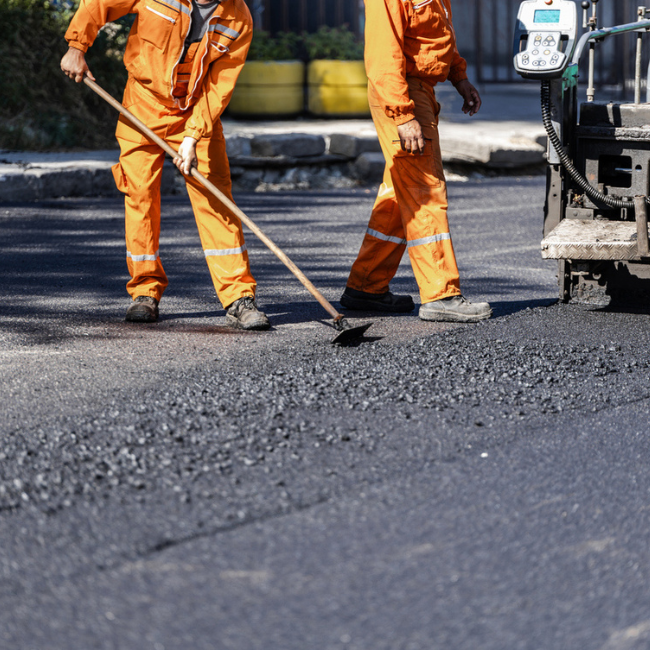
Why the Asphalt Overlay vs. Resurfacing Decision Matters
Many Myrtle Beach property owners assume an overlay and resurfacing are basically the same thing, but that misunderstanding leads to expensive mistakes. When the wrong repair method is chosen, pavement problems do not go away. They simply get covered up for a short time, then return in a bigger and more costly way. That is why understanding asphalt overlay vs. resurfacing matters so much before any project begins. The right choice can extend pavement life, protect your budget and keep you from paying twice for the same area.
Asphalt Overlay vs. Resurfacing: What Each Option Really Involves
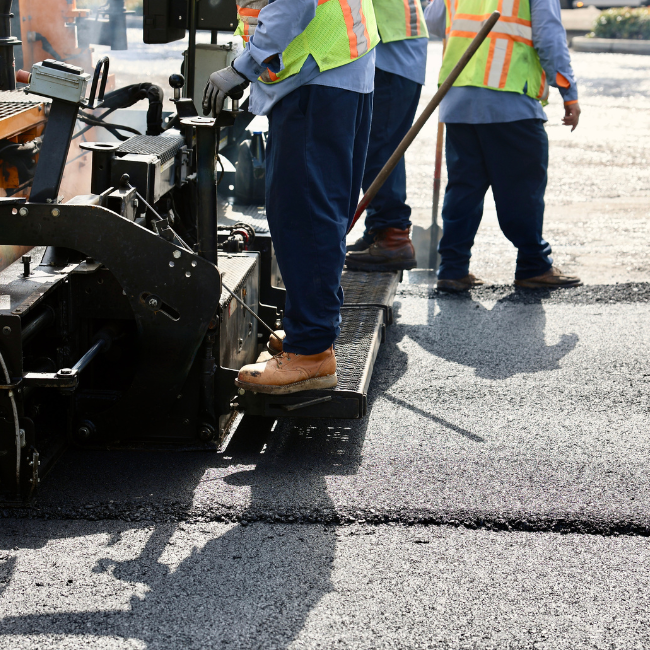
The difference between asphalt overlay vs. resurfacing starts below the surface. An asphalt overlay places a new layer of asphalt over the existing pavement. It can improve the look of a lot and smooth out minor surface wear, but it only works well when the existing pavement still has a solid base and no major drainage issues. If the structure underneath remains stable, an overlay can be a practical way to improve performance without a full rebuild.
Resurfacing goes deeper and deals with more than appearance. In many cases, resurfacing includes milling away damaged material, addressing weak areas and preparing the pavement to support a new top layer properly. This method is often the better option when the surface damage points to deeper wear. Property owners who only look at the top layer often miss the fact that the pavement’s true strength comes from what sits underneath.
When an Overlay Makes Sense and When It Does Not
An overlay can be a smart solution when pavement has minor cracking, fading or surface wear but still rests on a strong, stable base. It usually costs less than more involved repairs, which makes it appealing to owners trying to control short term spending. For lower traffic areas with limited structural damage, it can extend the life of the pavement and improve curb appeal.
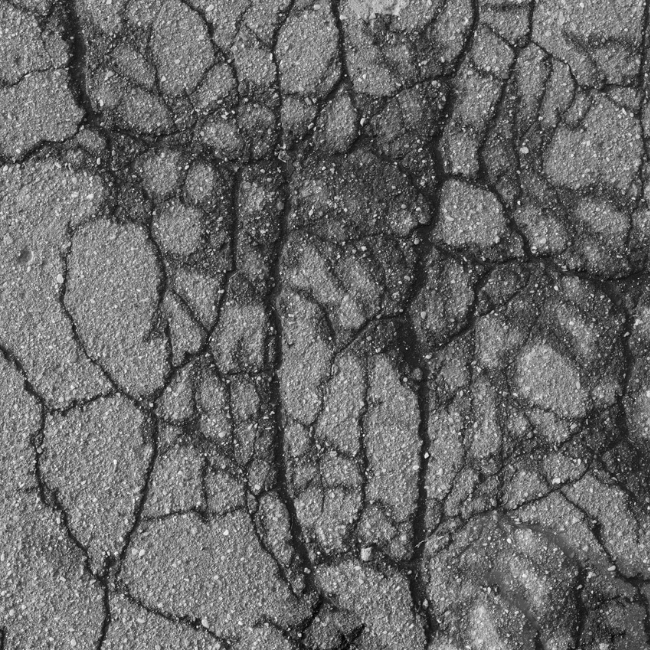
The problem comes when owners choose an overlay for pavement that already has hidden damage. If the base is weak, if water has been getting underneath or if cracks keep returning in the same places, a new top layer will not solve the real problem. It will only delay it. Before long, the surface starts to crack again, soft spots return and the owner ends up paying for another repair far sooner than expected.
Why Drainage, Base Condition and Traffic Should Guide the Choice
Drainage should always be part of the decision. Water is one of the biggest reasons pavement fails, and even the best-looking new surface will not last if runoff keeps seeping into the base. Poor grading, clogged drains and edge erosion all point to problems that must be addressed before choosing between these two options. That is why inspections matter. They show whether the structure beneath the asphalt is still strong enough to support an overlay or whether resurfacing is needed to correct deeper issues.
Traffic load also plays a major role. A light-duty area with steady but limited use can often perform well with an overlay if the structure is sound. A commercial lot that handles regular deliveries, turning traffic or heavier vehicles usually needs a more durable fix. Matching the repair method to real use conditions helps owners get more years out of their investment and fewer surprises later.
Make the Right Choice Before the Work Begins
The decision between asphalt overlay vs. resurfacing should never come down to price alone. It should come down to what condition the pavement is in, how well the site drains and how much traffic the surface handles every day. When owners choose the right repair for the right reason, they protect their pavement and avoid wasting money on a fix that will not last.
If you want to know which option fits your property best, call Weaver Construction Services today to schedule a pavement inspection and get expert guidance before small issues turn into major repairs.
FAQs
1. What is the main difference between asphalt overlay and resurfacing?
An overlay adds a new layer over existing pavement, while resurfacing addresses deeper wear and prepares the surface more thoroughly before new asphalt is applied.
2. How do I know if my pavement needs resurfacing instead of an overlay?
If your pavement has drainage problems, soft spots or cracks that keep coming back, the base could be failing. In that case, resurfacing is usually the better choice.
3. Does drainage affect which paving method I should choose?
Yes. Poor drainage weakens the base and causes pavement to fail faster. Drainage should always be evaluated before choosing either option.