

Pavement Erosion Prevention and the Slow Collapse Happening Beneath Your Asphalt
February 28, 2026
Asphalt Overlay vs. Resurfacing: The Paving Decision That Costs Myrtle Beach Owners Thousands
March 21, 2026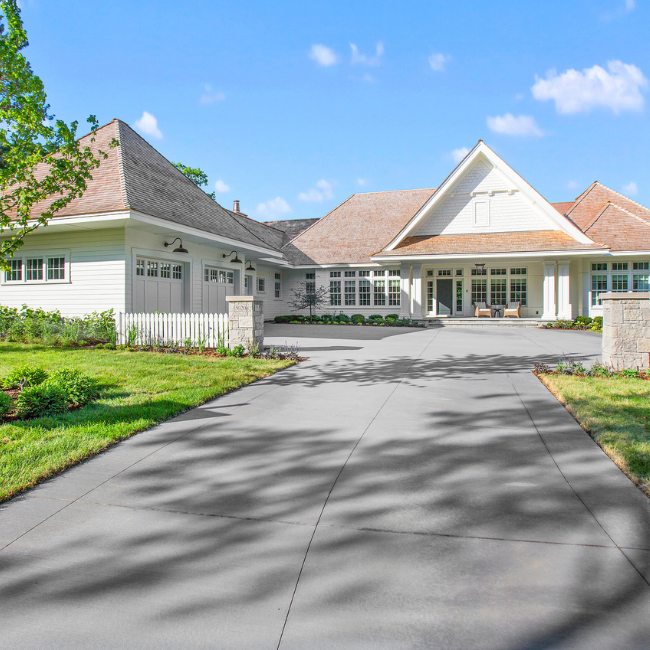
Why the Concrete vs. Asphalt Driveway Decision Matters
Choosing between a concrete vs. asphalt driveway is one of the most important exterior decisions a Myrtle Beach property owner will make. Your driveway handles daily vehicle traffic, coastal rain, summer heat and year round humidity, so the material you select must stand up to those conditions. Beyond function, your driveway also affects curb appeal, property value and long term maintenance costs. When owners understand the real differences between these two surfaces, they can choose a solution that fits their budget, appearance goals and performance expectations.
Cost Differences Between Concrete and Asphalt
Upfront cost is often the first factor owners consider when comparing a concrete vs. asphalt driveway. Asphalt generally costs less to install, which makes it attractive for larger driveways or projects where budget flexibility is limited. Concrete typically carries a higher installation cost, largely due to material pricing and labor requirements. However, concrete often lasts longer without needing resurfacing, which can offset the higher upfront expense over time.
When evaluating cost, owners should look beyond installation alone. Asphalt requires periodic sealing to protect it from moisture and oxidation, while concrete may require joint maintenance or section replacement if cracking occurs. A true comparison weighs initial investment against long term repair and maintenance expectations.
Longevity and Performance in Coastal Conditions
Myrtle Beach weather plays a major role in how each surface performs. Coastal rain exposes drainage weaknesses, and standing water can shorten the life of either material. Summer heat also affects durability. Asphalt remains flexible, which allows it to handle minor ground movement and small base shifts without cracking immediately. However, prolonged high heat can soften asphalt, especially in areas with heavy turning traffic.
Concrete handles heat well and does not soften under high temperatures. When installed with proper base preparation and joint spacing, it provides excellent long term durability. However, if the base shifts or drainage fails, concrete can crack, and those cracks often require section replacement. In either case, proper grading and drainage design matter more than the surface alone. Without good water flow, neither concrete nor asphalt will perform as expected.
Maintenance and Repair Expectations
Maintenance requirements also influence the concrete vs. asphalt driveway decision. Asphalt benefits from regular sealing, which helps preserve its dark finish and extend its lifespan. Repairs for asphalt often involve patching small areas or resurfacing the top layer, which can be cost effective when addressed early.
Concrete does not require sealing as frequently, but it can stain more easily and may develop visible cracks over time. Repairing concrete typically involves replacing damaged sections rather than patching small areas. Owners who prefer fewer routine treatments may lean toward concrete, while those who value lower upfront cost and easier surface repairs may prefer asphalt.
Appearance, Traffic and Long Term Goals
Appearance and traffic patterns should guide the final choice. Concrete offers a bright, clean look that pairs well with modern homes and commercial spaces. It can also support decorative finishes and textured surfaces. Asphalt provides a smooth, dark finish that blends well with existing roads and often highlights landscaping features.
Light residential traffic works well with either material, but heavier vehicles, delivery trucks or tight turning areas demand stronger base preparation regardless of surface type. Owners should also consider how long they plan to keep the property. Long term ownership may justify the higher initial cost of concrete, while shorter term plans may favor asphalt’s lower installation price.
Make the Right Choice for Your Property
The decision between a concrete vs. asphalt driveway depends on budget, maintenance preferences, appearance goals and expected traffic. Both surfaces can perform well in Myrtle Beach when installed over a properly prepared base with strong drainage. The key is matching the material to the property’s needs rather than choosing based on price alone.
If you want guidance based on your specific site conditions, call Weaver Construction Services today to schedule a driveway consultation and choose the option that protects your investment for years to come.
FAQs
1. Which lasts longer, a concrete or asphalt driveway?
Concrete typically lasts longer when installed with proper base preparation and drainage. Asphalt may require resurfacing sooner but can still provide many years of reliable performance with regular maintenance.
2. Is asphalt cheaper than concrete for driveways?
Asphalt usually costs less upfront. However, long term cost depends on maintenance, sealing and how well the base and drainage are designed.
3. Does Myrtle Beach weather affect driveway choice?
Yes. Coastal rain and heat impact both materials. Proper grading and drainage play a major role in how long either surface lasts.
