Eight Parking Lot Upgrades Smart Owners Plan During Winter
January 25, 2026
Concrete vs. Asphalt Driveway: What Myrtle Beach Owners Should Choose and Why
March 2, 2026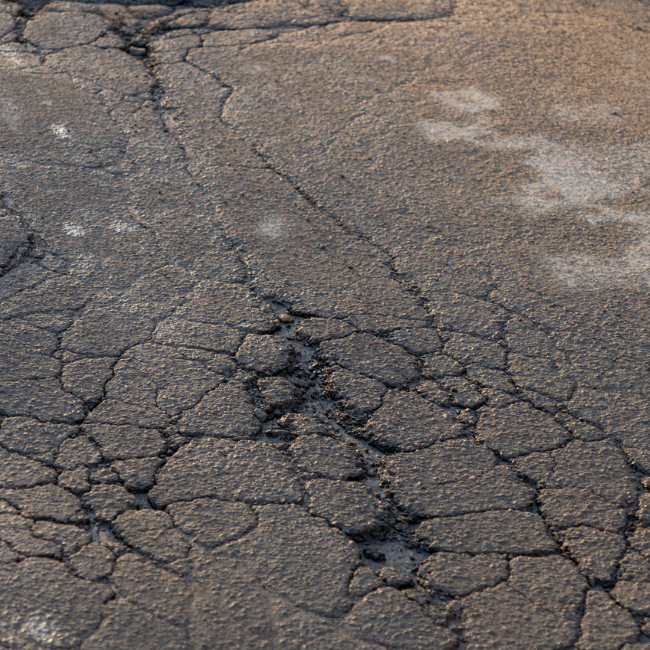
Most property owners focus on what they can see. They look for cracks, potholes and fading lines. What they do not see is the slow damage happening underneath the surface. Long before asphalt splits open, water starts to weaken the soil and base below it. That hidden breakdown is why pavement erosion prevention matters more than most people realize.
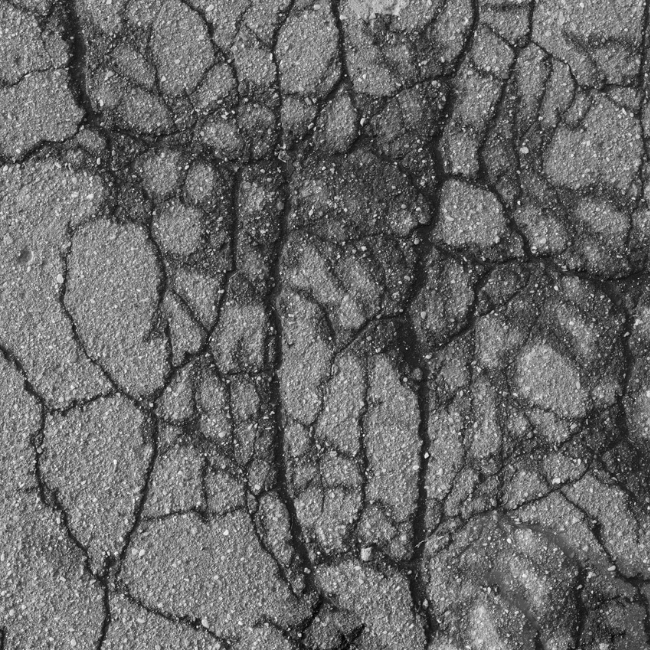
When erosion begins under the pavement, the surface still looks fine. It feels solid. Cars drive over it every day without warning. Then one season later, cracks spread fast and sections begin to sink. By the time surface damage shows up, the real problem has already been growing for months.
How Pavement Erosion Prevention Stops Base Failure
Water is the main cause of base failure. When drainage does not move water away quickly, moisture seeps through small cracks and joints. That water softens the soil beneath the asphalt. Over time, runoff washes away fine particles, leaving empty spaces under the surface.
This is where pavement erosion prevention becomes critical. Proper grading, working drains and strong curbs keep water from sitting on the pavement. When water cannot collect or seep downward, the base stays compact and stable. Without that support, asphalt cannot hold up under traffic. The collapse does not happen overnight. It starts with slight soft spots, then small dips, then cracks that widen faster each time it rains.
Early Warning Signs Most Owners Miss
There are clear signs that erosion has started, even if cracks are not obvious yet. Look for areas where water pools longer than usual after rain. Watch for slight depressions or uneven surfaces where vehicles tend to park. Notice edges that crumble or soil that washes away near curbs. Another warning sign is repeated cracking in the same location. If cracks return quickly after repair, drainage or base failure is likely the real cause. Surface patching alone will not fix it.
A professional inspection can identify these issues early. Inspectors check slope, drainage flow and soil stability before recommending repairs. That process helps property owners understand whether the problem sits on top or below.
Why Early Inspections Save Money
When erosion is caught early, repairs focus on drainage correction and minor base stabilization. That approach costs far less than full resurfacing or reconstruction. Once large sections collapse, the repair becomes more involved and more expensive.
Winter and early spring are ideal times for inspection. Rain exposes pooling and runoff patterns that stay hidden during dry months. Planning repairs before peak paving season also gives owners better scheduling options and more control over budgets.
Protect Your Asphalt from Hidden Collapse
The surface of your pavement tells only part of the story. The real strength lies beneath it. Pavement erosion prevention protects the base, stops soil loss and keeps asphalt from slowly collapsing under daily traffic.
Do not wait until cracks spread across your lot. Call Weaver Construction Services today to schedule a pavement inspection and stop erosion before it turns into costly reconstruction.
FAQs
1. What causes pavement erosion under asphalt?
Water that sits on the surface or flows toward the edges seeps into small openings and softens the soil below. Over time, runoff washes out fine particles and weakens the base that supports the asphalt.
2. How can I tell if erosion is happening before cracks appear?
Look for pooling water, soft spots, uneven areas and crumbling edges. These signs often show up before major cracking begins.
3. Why is fixing erosion early less expensive?
Early repairs focus on correcting drainage and stabilizing the base. Once the pavement collapses, larger sections require removal and replacement, which costs significantly more.