
Asphalt Overlay vs. Resurfacing: The Paving Decision That Costs Myrtle Beach Owners Thousands
March 21, 2026
Asphalt Base Failure Signs That Mean Drainage Problems Are Already Serious
April 14, 2026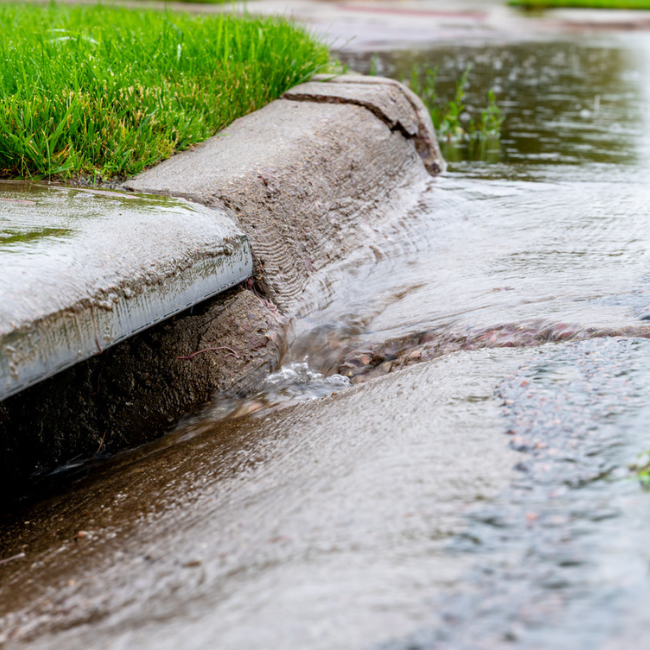
Why Spring Rain Creates Problems Fast
Early spring in Myrtle Beach brings steady rain, rising temperatures and heavier traffic as the season picks up. These conditions put stress on pavement that has already gone through months of winter moisture. Without proper planning, water begins to move across parking lots and roadways in ways that damage the surface and the base below. That is why stormwater runoff control becomes critical as soon as spring approaches.
When water does not drain properly, it pools on the surface or flows toward the edges. Over time, this leads to erosion, cracks and soft spots that weaken the pavement structure. Many property owners do not notice the damage until it spreads, which makes repairs more expensive and more disruptive.
How Stormwater Runoff Control Protects Lots and Roads
Stormwater runoff does more than create puddles. As water moves across the surface, it carries debris and gradually washes away the soil that supports the pavement. This erosion creates empty spaces beneath the asphalt or concrete, which leads to sinking areas and cracking.
The edges of parking lots often show the first signs of damage because runoff tends to flow toward curbs and landscaping. Once erosion starts at the edges, it moves inward and affects larger sections of pavement. Even small drainage issues can turn into widespread damage if they are not addressed early in the season. Strong stormwater runoff control keeps water moving in the right direction before it has the chance to weaken the base.
Why Grading, Drains and Curbing Work Better Together
Grading is the foundation of good drainage. A properly graded surface creates a slight slope that allows water to move off the pavement quickly instead of sitting in place. This slope might not be obvious to the eye, but it plays a major role in protecting the surface through spring rain.
Drains collect runoff and move it away from paved areas before it can pool. When drains clog or fail, water begins to back up and spread across the lot. Curbing adds another layer of protection by guiding water toward those drains and shielding pavement edges from washout. Without strong curbs, water can spill over the sides and erode the supporting soil. When grading, drains and curbing work together, they create a full system that reduces erosion risk and helps pavement last longer.
Early Inspections Help Prevent Expensive Spring Repairs
Spring rain reveals drainage problems quickly, but that does not mean owners should wait for damage to show up. A professional inspection can identify low spots, clogged drains and failing curbs before erosion spreads. That gives owners time to plan targeted repairs instead of paying for larger fixes later.
Early spring is also one of the best times to act because runoff patterns are easier to spot after rain. When property owners deal with drainage first, they protect the pavement surface and the base underneath it. That approach reduces repair costs and helps avoid emergency work during busier months.
Get Ahead of Runoff Before Damage Spreads
Heavy spring rain puts lots and roads at risk when drainage systems are weak. Good grading, working drains and strong curbing all play a role in protecting pavement from erosion and cracking. With the right stormwater runoff control plan, Myrtle Beach property owners can reduce damage, protect their investment and keep paved surfaces in better shape all season long.
Call Weaver Construction Services today to schedule a drainage inspection and get your property ready for spring rain before small problems turn into costly repairs.
FAQs
1. What causes stormwater runoff problems in parking lots?
Stormwater runoff problems usually come from poor grading, clogged drains or damaged curbs that allow water to pool or flow in the wrong direction.
2. How can I tell if my property has runoff issues?
Look for standing water, soft spots, cracks near edges and areas where soil has washed away after rain. These signs often point to drainage problems.
3. When should I address stormwater runoff control issues?
Early spring is the best time because increased rainfall makes problems easier to spot and fix before they cause major damage.


