Top 6 Benefits of Repairing Pavement with Asphalt Mastic
January 16, 2026
Eight Parking Lot Upgrades Smart Owners Plan During Winter
January 25, 2026
Why Parking Lot Drainage Gets Misunderstood
Many property owners believe that if water eventually drains away, their parking lot drainage is working just fine. That belief causes more pavement damage than almost anything else. In reality, water that sits for even a short time can seep into cracks, weaken the base and start erosion long before visible damage appears. That’s why understanding parking lot drainage is critical, especially during the winter months when rain is frequent and issues hide beneath the surface.
The Parking Lot Drainage Misconception That Costs the Most
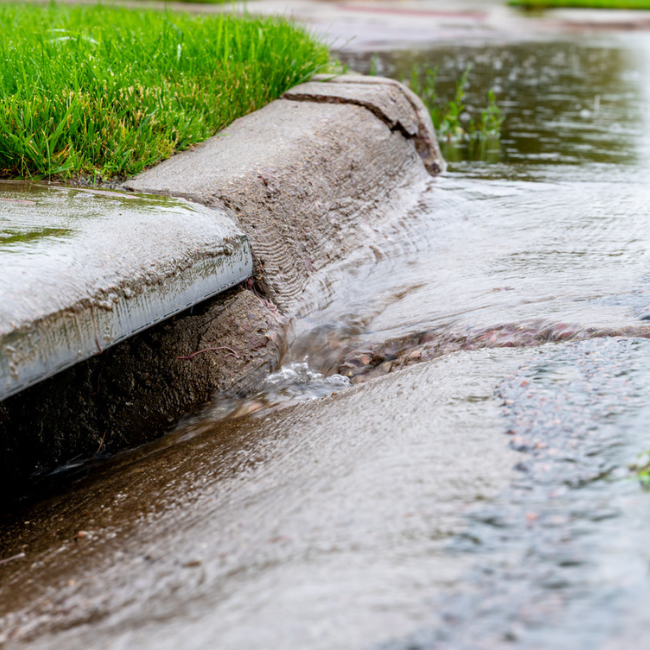
The biggest misconception is thinking drainage only matters when flooding happens. Most drainage failures do not involve dramatic standing water. Instead, slow pooling, poor slope and hidden runoff quietly damage the pavement base. Water works its way under the surface, washes out soil and weakens support. By the time cracks spread or pavement sinks, repairs cost far more than early drainage fixes would have. Parking lot drainage must move water away quickly and consistently. That includes surface flow, proper grading and functional drains. When any part of that system fails, pavement damage accelerates.
How Poor Drainage Leads to Erosion and Cracks
When water stays on pavement or runs toward edges, it causes erosion. Soil washes away from under the asphalt, leaving empty space that the surface cannot support. Over time, cracks form, edges crumble and potholes appear. These problems often show up in spring after months of winter rain, catching owners off guard. Drainage issues also shorten the life of past repairs. Even well done asphalt work will fail early if water continues to attack the base. That’s why drainage problems must be solved before resurfacing or patching begins.
Why Winter Inspections Prevent Spring Surprises
Winter is the best time to evaluate parking lot drainage. Rain exposes weak spots, pooling areas and flow problems that stay hidden during dry seasons. A professional inspection during winter allows property owners to see what is really happening beneath the surface.
Early inspections give owners time to plan repairs, budget accurately and schedule work before spring calendars fill up. Instead of reacting to sudden damage, owners can address drainage problems first and protect their pavement investment.
Fix Drainage Before Repairs Get Expensive
Strong pavement starts with proper drainage. Understanding parking lot drainage and correcting issues early prevents erosion, cracking and expensive repairs down the road. Winter inspections create clarity and control, helping property owners avoid spring emergencies and rushed decisions.
Call Weaver Construction Services today to schedule a parking lot drainage inspection and protect your pavement before small problems turn into costly repairs.
FAQs
1. How do I know if my parking lot drainage is failing?
Signs include water pooling after rain, cracks forming near edges, soft spots and areas where pavement looks uneven. A professional inspection confirms whether drainage issues exist below the surface.
2. Why does drainage damage pavement even if there is no flooding?
Slow moving or trapped water seeps into small cracks and weakens the base. Over time, this causes erosion and structural failure without obvious flooding.
3. When is the best time to inspect parking lot drainage?
Winter is ideal because frequent rain exposes drainage problems. Inspections during this season help property owners plan repairs before spring demand increases.