Erosion Control: South Carolina Pavement Projects That Save Money
October 27, 2025
Curb Repair Myrtle Beach Property Managers Should Schedule Before Winter
November 28, 2025
South Carolina properties deal with heavy rain, humid weather and long stretches of sudden downpours. Water can damage pavement, weaken soil and ruin landscaping when it has nowhere to go. New property managers often feel unsure about which drainage solutions work best for different areas. Learning the main types of drainage systems helps you protect your pavement, avoid erosion and keep your property looking clean and safe through every season.
Surface Drainage Systems Move Water Off the Top
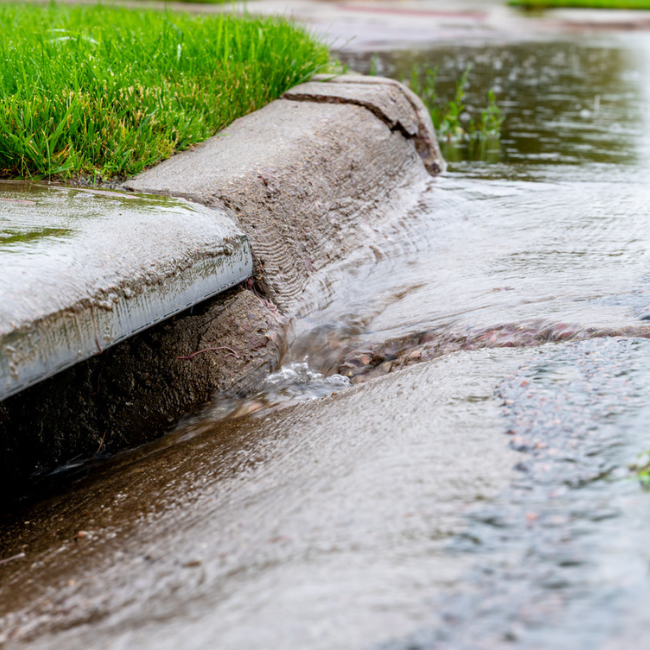
Surface drainage is the most common system and one that every property manager should recognize right away. It uses grading, curbing and shallow channels to guide water off paved surfaces and toward drains. When these elements work together, water moves away fast which prevents pooling, slippery pavement and early cracking. Surface drainage is essential for parking lots, drive lanes and sidewalks.
Subsurface Drainage Systems Protect the Base
Subsurface drainage handles water that collects under the pavement or soil. When too much water stays underground, the soil weakens and the pavement base loses support. Subsurface systems use buried pipes or gravel trenches to collect that hidden moisture and carry it away. This solution works well in areas with heavy traffic or soft soil where the base needs extra protection.
Slope Drainage Uses Gravity to Keep Water Moving
Slope drainage relies on proper grading. A slight slope guides water away from pavement, buildings and landscaped areas. When grading is done right, water never sits long enough to seep into the surface or erode the soil. This type of drainage should always be part of any paving project because it forms the foundation for everything else.
Trench Drains Capture Heavy Surface Runoff
Trench drains sit across driveways, entrances and low points where water tends to gather. These long, narrow drains collect water quickly and direct it into underground systems. Property managers rely on trench drains for areas that see heavy runoff or pooling because they prevent flooding and stop water from breaking down pavement edges.
French Drains Help Manage Moisture Around Pavement and Landscaping
French drains combine a perforated pipe with gravel to collect and redirect moisture underground. They work well around the edges of pavement, in grassy areas and near buildings where water often settles. This type of system is especially useful for stopping soil erosion and keeping landscaping healthy.
Protect Your Property with the Right Drainage System
Understanding the different types of drainage systems helps property managers make smart decisions that protect pavement and landscaping year-round. Surface, subsurface, slope, trench and French drains all play an important role in moving water safely away from your property. With the right setup, you prevent erosion, reduce repair costs and keep your pavement strong through every season.
Call Weaver Construction Services today to schedule a drainage evaluation and get the right system in place for long-term pavement protection.
FAQs
1. How do I know which drainage system my property needs?
Look at where water collects after rain. Pooling on pavement usually means you need surface or trench drains. Soft soil or sinking spots often call for subsurface or French drains. A professional inspection can help you choose the right drainage system.
2. Why does grading matter so much in drainage design?
Grading keeps water moving. Even a small slope stops pooling and prevents water from soaking into the pavement base. Without proper grading, other drainage systems cannot work as well.
3. How often should drainage systems be inspected?
Property managers should schedule drainage inspections at least once a year or after heavy storms. Inspections catch clogs, cracks and soil erosion early which saves money on future repairs.