Stormwater Runoff Control Myrtle Beach Properties Need in Early Spring
March 22, 2026
Concrete Sidewalk Repair Myrtle Beach Property Managers Should Not Put Off
April 15, 2026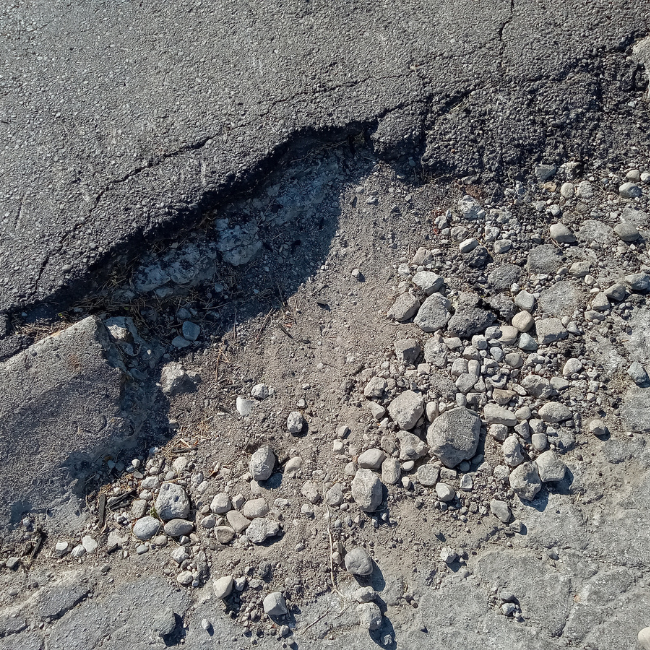
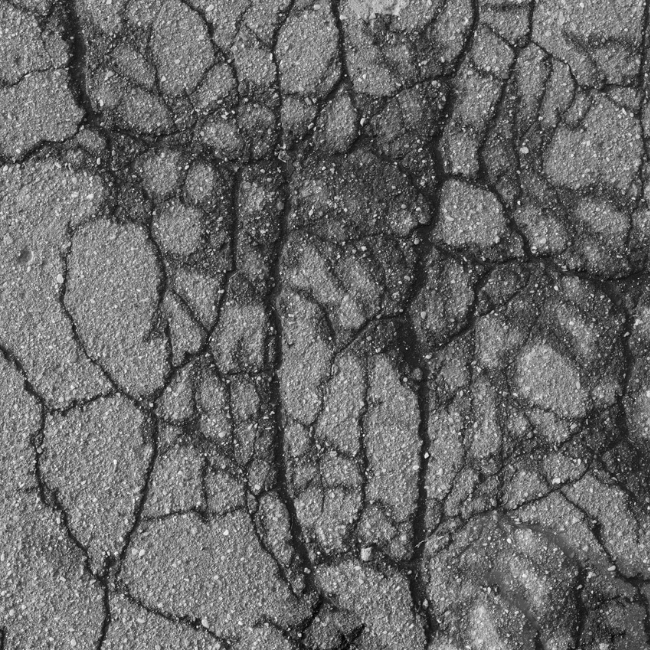
Most pavement problems start below the surface, not on top. Cracks and potholes often get the most attention, but they are usually just symptoms of something deeper. When the base under the asphalt begins to weaken, the entire structure starts to fail. That is why understanding asphalt base failure is critical for property owners who want to avoid costly repairs.
In many cases, drainage problems are the root cause. Water seeps into the base, washes out soil and leaves the pavement without proper support. By the time surface damage appears, the base has already been compromised.
Asphalt Base Failure Signs You Should Never Ignore
Recognizing early signs of asphalt base failure can help property owners act before damage spreads. One of the most common warning signs is sinking areas. These spots may feel uneven underfoot or look like shallow dips where water tends to collect. They often indicate that the base beneath the asphalt has lost stability.
Another key sign is rippling or wave-like movement in the pavement. This usually shows up in areas with heavier traffic, where the weakened base can no longer support the weight. Over time, the surface begins to shift and distort.
Soft zones are also a major red flag. If certain areas feel spongy or unstable, especially after rain, it often means water has saturated the base. These zones will continue to break down as vehicles pass over them, leading to larger failures.
Why Drainage Problems Lead to Base Failure
Water is the main driver behind most base failure issues. When drainage systems do not move water away properly, moisture seeps into the ground beneath the pavement. As water moves through the soil, it washes away fine particles and weakens the structure that supports the asphalt.
Poor grading, clogged drains and damaged curbs all contribute to this problem. Water that pools or flows toward the edges of the pavement increases erosion and accelerates base failure. Once the soil shifts or disappears, the asphalt above it has nothing solid to rest on.
Why Surface Patching Does Not Solve the Problem
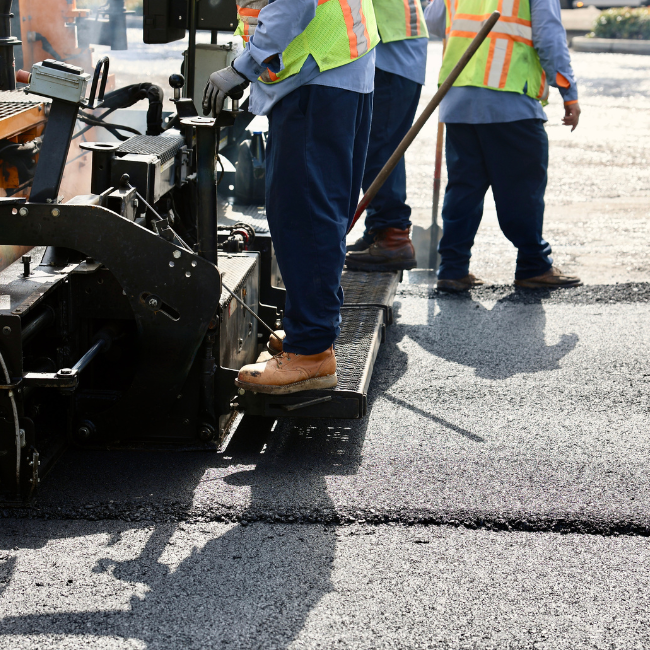
Surface patching might seem like a quick fix, but it rarely works when asphalt base failure is involved. Patching only addresses the visible damage, not the underlying issue. If the base remains weak, cracks and depressions will return, often in the same areas.
This cycle leads to repeated repairs that cost more over time. Instead of solving the problem, patching becomes a temporary solution that delays the inevitable. Proper repair requires addressing the base and the drainage issues that caused the failure in the first place.
Fix the Cause Before the Damage Spreads
Ignoring base failure leads to larger sections of pavement breaking down over time. Property owners who act early can limit damage, reduce repair costs and extend the life of their pavement. Identifying drainage problems and stabilizing the base are key steps in preventing further issues.
If you notice signs of asphalt base failure, do not wait for the damage to get worse. Call Weaver Construction Services today to schedule an inspection and get a repair plan that addresses the root of the problem.
FAQs
1. What causes asphalt base failure?
Asphalt base failure is usually caused by water intrusion, poor drainage or soil erosion beneath the pavement. These issues weaken the support structure and lead to surface damage.
2. Can asphalt base failure be repaired without replacing the pavement?
Minor issues can sometimes be stabilized, but severe base failure often requires removing damaged sections and rebuilding the base before new asphalt is applied.
3. How can I prevent asphalt base failure?
Proper drainage, regular inspections and early repairs help prevent water from weakening the base and causing long-term damage.