Why Parking Lot Crack Sealing Matters Before Summer Storms
May 10, 2026
Why Parking Lot Striping Services Belong on Your Summer Safety Checklist
June 16, 2026
May is one of the best times to schedule an HOA parking lot inspection. Winter wear has already shown up, spring rains start exposing drainage trouble and summer traffic is right around the corner. If an HOA board checks the parking lot now, it can catch small issues before pool season, guest traffic and summer storms make them harder and more expensive to fix.
For many communities, the parking lot is one of the first things residents and visitors notice. It also takes daily wear from cars, delivery trucks, service vehicles and foot traffic. A careful inspection in May helps boards protect the property, plan repairs in the right order and avoid bigger problems during the busiest months of the year.
Why an HOA Parking Lot Inspection Matters in May
An HOA parking lot inspection in May gives boards a clear look at how the pavement handled the past few months. Cracks often open up after cooler weather, and spring rain can reveal areas where water does not drain the right way. That means late spring is a smart time to inspect before summer heat and storms push the damage further.
This timing also helps with planning. If the board waits until the lot gets busier in summer, repair work can become harder to schedule and more disruptive to residents. A May inspection gives the HOA time to review the condition of the lot, set priorities and take care of problems before they grow.
What to Look for During the Inspection
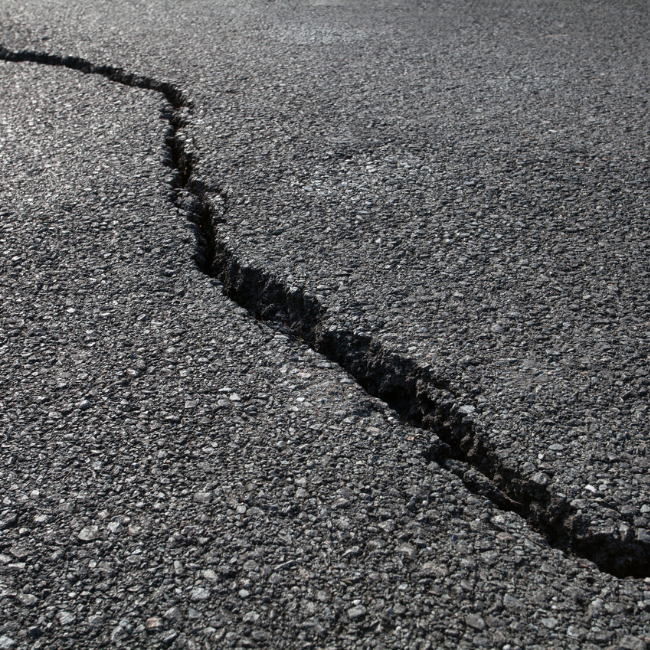
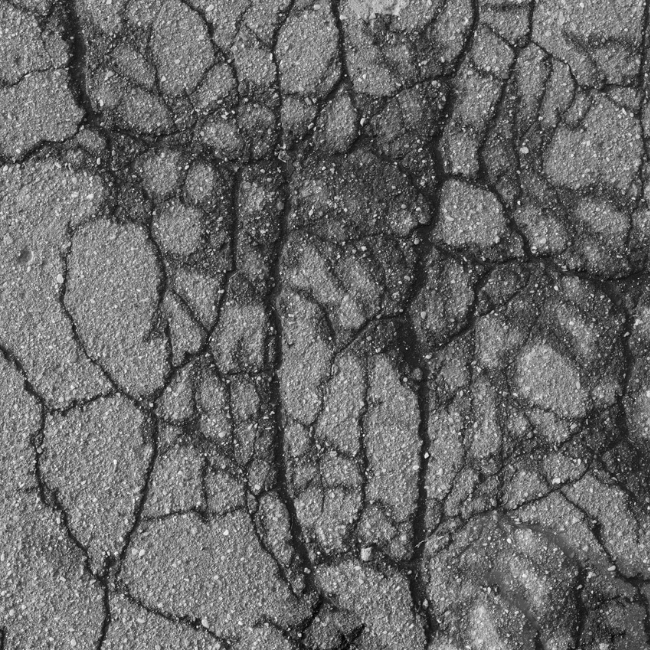
The most common starting point is the surface itself. Boards should look for cracks, rough spots, loose asphalt and places where the pavement looks worn faster than the rest of the lot. Even small cracks matter because water can move into them and weaken the support below the surface.
It is also important to check for standing water after rain. Puddles often point to drainage trouble, slope issues or low spots that could get worse during summer storms. Boards should also look at curbs, gutters and lot edges, since damage in those areas can affect both drainage and pavement life.
Problems That Often Show Up This Time of Year
Late spring tends to reveal the damage that built up over time. Cracks might widen, edges might start breaking down and traffic lanes might show surface wear where cars turn or stop often. In HOA communities, guest parking areas and spaces near amenities often take the most stress once warm weather activity picks up.
This is also the time when drainage problems become easier to spot. A lot might look fine during dry weather, but after a good rain, ponding and runoff paths can show where trouble is starting. Catching those signs in May helps the board act before heavy summer rain puts more pressure on the lot.
How to Plan Repairs in the Right Order
Once the inspection is done, the next step is to plan repairs in a smart order. Issues that affect safety or water control should come first. If water keeps getting into the pavement, surface repairs alone will not solve the larger problem for long.
After that, the board can focus on stopping damage from spreading. Crack sealing, spot repairs and fixing weak edges can often prevent more expensive work later. Then the HOA can plan appearance-related items like striping or cosmetic improvements once the structure of the lot is in better shape.
A Small Inspection Can Prevent Bigger Problems
A simple HOA parking lot inspection in May can help a community avoid costly surprises later in the season. It gives the board a chance to catch early damage, protect the property and plan work before the lot gets busier with summer activity. That kind of timing can save money, reduce complaints and help the community stay safer and better maintained.
If your community has not checked its pavement yet this spring, now is the right time. Call Weaver Construction Services today to schedule an inspection or consultation.
FAQs
1. Why should an HOA schedule a parking lot inspection in May?
May is a strong time for an inspection because winter wear has already shown up and spring rain often reveals drainage issues. It also gives the board time to plan repairs before summer traffic, pool season and storms add more stress to the lot.
2. What should an HOA parking lot inspection include?
The inspection should include cracks, low spots, standing water, broken edges, worn traffic areas, curbs and drainage trouble. Looking at the full lot helps the board understand which repairs need attention first.
3. Can a parking lot inspection help an HOA save money?
Yes, it can. When a board catches small issues early, it often avoids larger and more costly repairs later. That makes it easier to budget for repairs and protect the life of the pavement.